Choosing the ideal motorcycle jacket for protection isn’t just about style; it’s about life-saving features. Many brands struggle to understand the nuances of materials and construction that truly safeguard riders. I will break down what makes a protective jacket truly effective.
The best motorcycle jacket for protection combines superior abrasion-resistant materials like high-grade leather, Cordura, or Dyneema, with integrated CE Level 2 impact armor and robust seam construction (EN 17092 Class AA or AAA). Its effectiveness hinges on the right blend of material science, ergonomic design, and manufacturing precision to withstand various crash scenarios.
As an OEM/ODM partner, I know brands face critical decisions about materials and design. We will now explore common questions about protective fabrics and jacket types. This will help you select components that truly deliver on your brand’s promise of safety and performance.
What kind of fabric is best for touring motorcycles clothing?
Touring riders need gear that endures long distances and unpredictable weather, demanding specific fabric qualities. Many brands overlook the balance between durability, comfort, and weather protection. I will explain the optimal fabric choices for touring.
The best fabrics for touring motorcycle clothing are high-strength synthetic fibers like Cordura nylon (500D-1000D), often paired with waterproof-breathable membranes like Gore-Tex. These materials offer superior abrasion and tear resistance, weather protection, and comfort for extended rides, making them ideal for diverse touring conditions.
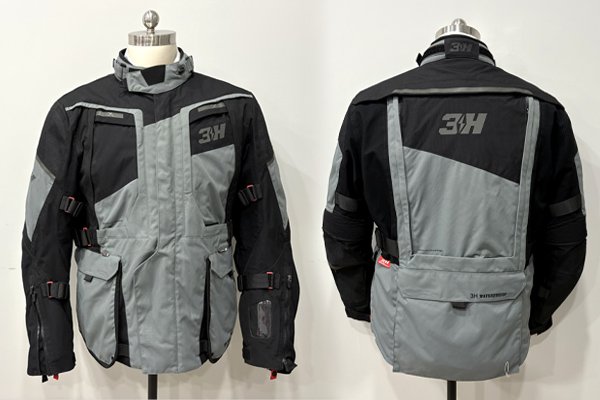
When a brand comes to me asking about fabrics for touring gear, I emphasize versatility and resilience. Touring clothing needs to withstand diverse conditions, from highway winds to unexpected rain, all while remaining comfortable for hours in the saddle. High-strength synthetic fibers are paramount here. Cordura nylon, especially in densities from 500D to 1000D, is a top choice due to its excellent tear and abrasion resistance, flexibility, and comfort. We often use it in multi-layer constructions to maximize its benefits. For critical impact zones, we might integrate ultra-strong fibers like Dyneema or Kevlar, either woven directly into the fabric or used as an internal reinforcement lining. Ballistic nylon is another robust option, originally designed for military applications, providing exceptional strength in high-impact areas. A crucial aspect for touring is also weather protection, meaning these fabrics are often laminated with waterproof and breathable membranes like Gore-Tex.
Top Outer Fabrics for Touring Gear
Here’s a breakdown of the leading fabrics we recommend for touring apparel:
- Cordura Nylon: High-strength nylon known for superior tear and abrasion resistance. Densities from 500D to 1000D are standard for maximum durability. It’s lighter and more flexible than leather, often with water-resistant or waterproof coatings.
- Ballistic Nylon: A dense, exceptionally strong synthetic nylon. Initially developed for military body armor, it provides extreme strength in vulnerable areas, offering superior protection against abrasion and tearing.
- Dyneema & Kevlar: These ultra-strong aramid or polyethylene fibers are often woven into high-wear areas or used as internal reinforcement linings for slide protection, adding immense strength without significant bulk.
- Weather Membranes: Integrated with these fabrics, membranes like Gore-Tex ensure garments are waterproof yet breathable, essential for long-distance comfort in varied climates.
Our Approach to Touring Fabric Selection
As manufacturers, we meticulously select and test fabrics for touring gear. We work with brands to balance the specific demands of durability, weather protection, and comfort. This often involves composite constructions – using different fabrics strategically in various parts of the garment. For example, higher denier Cordura on elbows and shoulders, lighter Cordura for the main body, and stretch panels for mobility. We also focus on robust seam construction and proper integration of reflective elements for visibility during long rides. Our goal is to create touring apparel that performs reliably mile after mile.
What kind of fabric is best for Racing motorcycles clothing?
Racing demands the absolute pinnacle of protection against high-speed impacts and abrasion. Many brands underestimate the material science required for track safety. I will reveal the specialized fabrics for racing gear.
The best fabrics for racing motorcycle clothing are thick, high-quality leathers (cowhide, kangaroo, goatskin) due to their superior natural abrasion resistance. These are often reinforced with synthetic materials like Kevlar/Aramid fibers and external TPU or carbon sliders for extreme protection in high-speed crashes.
For racing, protection is non-negotiable, and the choice of fabric is paramount. When brands approach us for racing gear, we immediately think of materials that can withstand extreme abrasion at high speeds. Leather is the undisputed champion here. Thick, high-quality cowhide is a standard for its exceptional natural abrasion resistance. Kangaroo leather, while more expensive, offers an even better strength-to-weight ratio and flexibility. Goatskin is sometimes used for areas requiring more tactile feel, like gloves, due to its softness. These leathers effectively resist friction against asphalt. However, it’s not just about the outer layer. Synthetic fibers like Kevlar or Aramid are often woven into stretch panels or used as internal reinforcement in high-impact areas (like elbows, shoulders, hips) to enhance tear and abrasion resistance further. We also incorporate external sliders made from TPU (Thermoplastic Polyurethane) or carbon fiber, strategically placed on shoulders, elbows, and knees, to help the rider slide rather than catch during a fall, significantly reducing injury risk.
Premium Fabrics for Racing Gear
Here are the essential fabrics and reinforcements for top-tier racing apparel:
- Leather (Cowhide, Kangaroo, Goatskin):
- Cowhide: The industry standard, offering excellent natural abrasion resistance.
- Kangaroo Leather: Superior strength-to-weight ratio, more flexible and lighter than cowhide, often seen in top-tier suits.
- Goatskin: Ssofter, more tactile, typically used for gloves or specific comfort zones.
- All provide an effective barrier against asphalt friction.
- Kevlar/Aramid Fibers: Extremely tough, heat-resistant synthetic fibers with high tensile and tear strength. Woven into stretch panels or used as an internal lining in high-impact zones for additional protection.
- TPU (Thermoplastic Polyurethane) / Carbon Fiber Sliders: External hard plastic or composite sliders integrated into the suit at shoulders, elbows, and knees. These reduce friction and help the rider slide more smoothly, dissipating impact energy.
Our Manufacturing Focus for Racing Apparel
In manufacturing racing gear, precision is critical. We focus on cutting and stitching leather with extreme accuracy, using heavy-duty safety stitching to ensure seams can withstand intense forces. Our design integrates armor pockets that securely hold CE Level 2 protectors. We also pay close attention to ergonomic fit, ensuring the suit allows for full range of motion while maintaining protection in a tucked riding position. We work closely with material suppliers to source the highest-grade leathers and advanced synthetic reinforcements to meet the rigorous demands of track riding.
What are the differences between Racing and Adventure motorcycle clothing?
Racing and adventure riding are vastly different, requiring entirely distinct protective philosophies. Many brands struggle to tailor designs to these unique demands. I will highlight the fundamental differences in their clothing.
Racing motorcycle clothing prioritizes maximum abrasion resistance (thick leather, sliders) for high-speed asphalt impacts, while adventure clothing focuses on tear resistance (high-strength textiles), weather protection (waterproof membranes), and off-road mobility to withstand varied terrain and conditions.
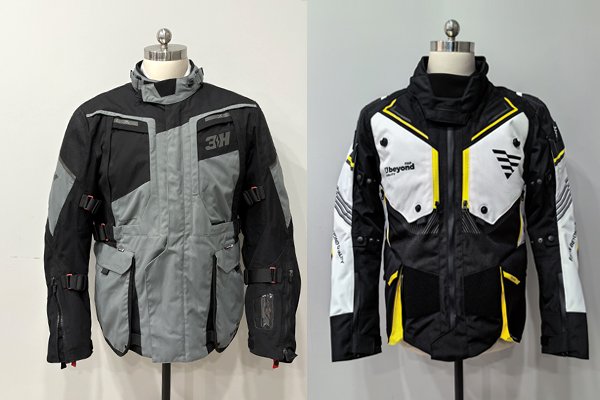
The distinction between racing and adventure motorcycle clothing is profound, reflecting the vastly different environments and risks each discipline presents. As a manufacturer, we understand that these two types of gear are designed from the ground up with completely different goals.
Racing Suits are engineered for high-speed, controlled falls on asphalt. They are typically made from thick, high-quality cowhide or kangaroo leather, designed to offer the highest level of abrasion resistance against pavement friction. They incorporate external TPU or carbon fiber sliders at the shoulders, elbows, and knees. These sliders are crucial for allowing the rider to slide smoothly across the track surface, dispersing energy and preventing the body from catching and tumbling. The fit is usually very snug to ensure armor stays in place and to reduce aerodynamic drag.
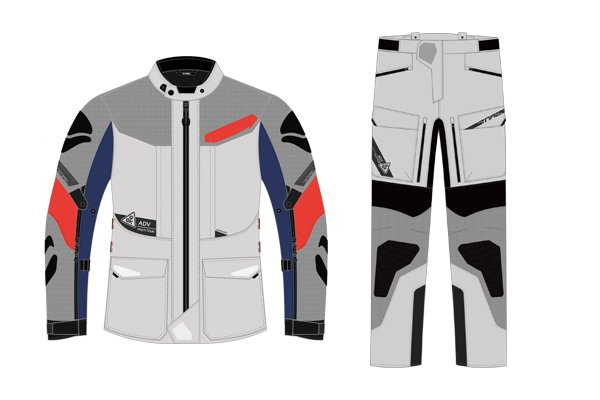
Adventure Suits, on the other hand, are built for rugged, unpredictable terrain, varying weather, and long-distance comfort. They primarily use high-strength synthetic fiber fabrics like Cordura. These fabrics are chosen for their excellent tear resistance, which is vital for preventing damage from branches, rocks, and falls on rough surfaces. Adventure gear often includes waterproof and breathable membranes (like Gore-Tex) to protect against rain, mud, and changing temperatures. Mobility and ventilation are key, so they feature looser fits, adjustable vents, and multiple pockets. The protection focuses on preventing tears, absorbing impact from slower speed falls, and providing weather comfort.
Key Distinctions: Racing vs. Adventure Apparel
| Feature | Racing Motorcycle Clothing | Adventure Motorcycle Clothing |
|---|---|---|
| Primary Material | Thick Cowhide / Kangaroo Leather | High-strength Synthetic Fibers (e.g., Cordura) |
| Core Protection | Extreme Abrasion (Asphalt Slides) & Impact Absorption | Tear Resistance (Off-Road Hazards), Abrasion, Weather Protection |
| External Reinforcements | TPU / Carbon Fiber Sliders (Shoulders, Elbows, Knees) | Abrasion-resistant Panels, sometimes external fabric guards |
| Weatherproofing | Minimal (Race-focused, not typically waterproof) | High (Integrated waterproof/breathable membranes like Gore-Tex) |
| Fit & Mobility | Very Snug, Pre-curved for tucked position | Relaxed, Roomy for Off-Road Movement, often adjustable |
| Ventilation | Less emphasis, can be hot (some perforation) | High emphasis (numerous vents, mesh panels) |
| Typical Hazards | High-speed falls on hard, abrasive surfaces | Low-to-mid speed falls, branches, rocks, rain, mud, dust |
Our Manufacturing Philosophy
For racing, our focus is on maximum protection and ergonomic performance in a track environment. For adventure, it’s about robust, versatile protection that can adapt to changing conditions and terrain, prioritizing tear resistance and weather comfort. We guide brands through these distinctions to ensure their product lines are perfectly aligned with the intended riding discipline.
What is the coolest motorcycle jacket for hot weather?
Riding in hot weather presents a dilemma: how to stay protected without overheating? Many riders, and even some brands, struggle to find this balance. I will outline the best design and material strategies for staying cool and safe.
The coolest motorcycle jacket for hot weather combines extensive mesh paneling with lightweight, breathable yet abrasion-resistant fabrics (e.g., specific Cordura weaves or Dyneema single-layer fabrics). Perforated leather can also be highly effective. The key is maximum airflow and minimal heat retention, without compromising crucial protective elements like CE armor.
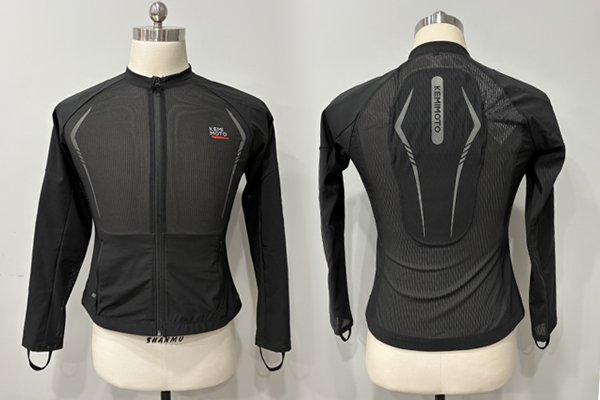
When designing for hot weather, the primary challenge is maximizing airflow and heat dissipation while maintaining critical protection. I’ve seen many attempts to create a "cool" jacket that sacrifices safety. The trick is to strike the right balance.
For textile jackets, the best solution involves extensive use of high-flow mesh panels. These panels, strategically placed on the chest, arms, and back, allow air to flow directly to the body. However, not all mesh is created equal. We use specific abrasion-resistant mesh fabrics (e.g., certain Cordura Airmesh weaves) to ensure they still offer a reasonable level of protection. Lightweight, single-layer fabrics that incorporate Dyneema are also excellent. They offer high strength-to-weight ratios, allowing for a garment that is both protective and significantly lighter and cooler than traditional multi-layer textiles.
For leather jackets, perforations are key. A fully perforated leather jacket can offer substantial airflow, effectively cooling the rider. The perforations allow air to pass through the leather, which, combined with the natural breathability of leather, helps manage heat. However, non-perforated leather, as mentioned earlier, can be quite heavy and hot in summer.
Beyond the main fabric, other design elements play a crucial role:
- Ventilation Zippers: Large, strategically placed zippered vents can be opened to enhance airflow.
- Lightweight Linings: Using mesh or minimal internal linings prevents heat trapping.
- Color Choice: Lighter colors reflect more sunlight and absorb less heat.
Features of the Coolest Protective Jackets
The best hot-weather jackets prioritize breathability without sacrificing protection:
- Extensive Mesh Paneling: High-flow, abrasion-resistant mesh fabrics (e.g., specific Cordura Airmesh) on the main body.
- Perforated Leather: For leather jackets, full perforation significantly increases airflow.
- Single-Layer Dyneema Fabrics: Offer excellent protection with minimal weight and high breathability, ideal for casual-looking hot-weather gear.
- Strategic Venting: Large, easy-to-operate zippered vents for adjustable airflow.
- Lightweight Construction: Minimal bulk, breathable internal linings, and lighter protective materials where possible.
- CE Armor Integration: Crucially, even with a focus on cooling, CE Level 1 or 2 armor must still be securely integrated at impact zones.
Our Manufacturing Approach for Hot Weather Gear
Our focus is on smart material selection and intelligent design. We source advanced mesh textiles that meet abrasion standards. We work with brands to design optimal perforation patterns for leather that balance cooling with structural integrity. We also prioritize the secure placement of lightweight, breathable CE armor. The goal is to create jackets that riders will actually wear in hot conditions, knowing they are still well-protected. We help brands ensure their hot-weather gear offers genuine protection, not just a perception of coolness.
Conclusion
Understanding the diverse protection levels and material properties for motorcycle clothing is paramount. As your manufacturing partner, I ensure we leverage the right fabrics and construction techniques to meet specific riding demands—from high-speed racing to versatile touring, and even comfortable hot-weather protection. We help your brand deliver on its promise of safety and performance for every rider.